
The Complete Student Guide to Tea and Wellbeing
A responsible guide to tea, caffeine, hydration, study routines, sleep and affordable choices for students.

Understanding the subject
tea and student wellbeing is most useful when understood as an experience rather than a label. For students and families building balanced routines, the important signals are clarity and proportion. Tea should remain identifiable, supporting ingredients should have a reason to be present, and the finish should invite another sip rather than create fatigue. Singapore students often manage long schedules, warm travel and demanding study periods. This perspective also makes it easier to compare premium tea with sweeter mainstream beverages without treating either category as automatically superior.
tea and student wellbeing is most useful when understood as an experience rather than a label. A thoughtful approach starts by asking what the drink is trying to express. With moderate tea, water, sensible sweetness, food and rest, small decisions about concentration, temperature and dilution can change the result significantly. The goal is coherence: aroma should prepare the palate for the flavour that follows, while texture and sweetness should resolve cleanly. Tea may complement a routine, but it cannot replace sleep, nutrition, movement or medical advice.
tea and student wellbeing is most useful when understood as an experience rather than a label. Practical judgement matters more than fashionable terminology. Notice whether the first aroma continues into the middle of the sip, whether the tea still has definition after ice begins to melt, and whether the finish feels clean. In Singapore, these details matter because drinks are often enjoyed slowly in warm weather, alongside meals or during travel. A well-composed drink should remain pleasant across that real-world window.
- Identify the tea base before judging added flavours.
- Compare aroma, body, sweetness and finish separately.
- Consider the serving occasion and Singapore's warm climate.
- Choose a style that supports tea may complement a routine, but it cannot replace sleep, nutrition, movement or medical advice.
Why it matters in Singapore
Singapore's climate, pace and food culture give tea and student wellbeing a distinctive practical context. For students and families building balanced routines, the important signals are clarity and proportion. Tea should remain identifiable, supporting ingredients should have a reason to be present, and the finish should invite another sip rather than create fatigue. Singapore students often manage long schedules, warm travel and demanding study periods. This perspective also makes it easier to compare premium tea with sweeter mainstream beverages without treating either category as automatically superior.
Singapore's climate, pace and food culture give tea and student wellbeing a distinctive practical context. A thoughtful approach starts by asking what the drink is trying to express. With moderate tea, water, sensible sweetness, food and rest, small decisions about concentration, temperature and dilution can change the result significantly. The goal is coherence: aroma should prepare the palate for the flavour that follows, while texture and sweetness should resolve cleanly. Tea may complement a routine, but it cannot replace sleep, nutrition, movement or medical advice.
Singapore's climate, pace and food culture give tea and student wellbeing a distinctive practical context. Practical judgement matters more than fashionable terminology. Notice whether the first aroma continues into the middle of the sip, whether the tea still has definition after ice begins to melt, and whether the finish feels clean. In Singapore, these details matter because drinks are often enjoyed slowly in warm weather, alongside meals or during travel. A well-composed drink should remain pleasant across that real-world window.
- Identify the tea base before judging added flavours.
- Compare aroma, body, sweetness and finish separately.
- Consider the serving occasion and Singapore's warm climate.
- Choose a style that supports tea may complement a routine, but it cannot replace sleep, nutrition, movement or medical advice.
Tea, ingredients and flavour
The character of tea and student wellbeing begins with ingredient relationships, especially moderate tea, water, sensible sweetness, food and rest. For students and families building balanced routines, the important signals are clarity and proportion. Tea should remain identifiable, supporting ingredients should have a reason to be present, and the finish should invite another sip rather than create fatigue. Singapore students often manage long schedules, warm travel and demanding study periods. This perspective also makes it easier to compare premium tea with sweeter mainstream beverages without treating either category as automatically superior.
The character of tea and student wellbeing begins with ingredient relationships, especially moderate tea, water, sensible sweetness, food and rest. A thoughtful approach starts by asking what the drink is trying to express. With moderate tea, water, sensible sweetness, food and rest, small decisions about concentration, temperature and dilution can change the result significantly. The goal is coherence: aroma should prepare the palate for the flavour that follows, while texture and sweetness should resolve cleanly. Tea may complement a routine, but it cannot replace sleep, nutrition, movement or medical advice.
The character of tea and student wellbeing begins with ingredient relationships, especially moderate tea, water, sensible sweetness, food and rest. Practical judgement matters more than fashionable terminology. Notice whether the first aroma continues into the middle of the sip, whether the tea still has definition after ice begins to melt, and whether the finish feels clean. In Singapore, these details matter because drinks are often enjoyed slowly in warm weather, alongside meals or during travel. A well-composed drink should remain pleasant across that real-world window.
- Identify the tea base before judging added flavours.
- Compare aroma, body, sweetness and finish separately.
- Consider the serving occasion and Singapore's warm climate.
- Choose a style that supports tea may complement a routine, but it cannot replace sleep, nutrition, movement or medical advice.
How to recognise quality
Quality is easier to recognise when aroma, sweetness, texture and finish are considered together. For students and families building balanced routines, the important signals are clarity and proportion. Tea should remain identifiable, supporting ingredients should have a reason to be present, and the finish should invite another sip rather than create fatigue. Singapore students often manage long schedules, warm travel and demanding study periods. This perspective also makes it easier to compare premium tea with sweeter mainstream beverages without treating either category as automatically superior.
Quality is easier to recognise when aroma, sweetness, texture and finish are considered together. A thoughtful approach starts by asking what the drink is trying to express. With moderate tea, water, sensible sweetness, food and rest, small decisions about concentration, temperature and dilution can change the result significantly. The goal is coherence: aroma should prepare the palate for the flavour that follows, while texture and sweetness should resolve cleanly. Tea may complement a routine, but it cannot replace sleep, nutrition, movement or medical advice.
Quality is easier to recognise when aroma, sweetness, texture and finish are considered together. Practical judgement matters more than fashionable terminology. Notice whether the first aroma continues into the middle of the sip, whether the tea still has definition after ice begins to melt, and whether the finish feels clean. In Singapore, these details matter because drinks are often enjoyed slowly in warm weather, alongside meals or during travel. A well-composed drink should remain pleasant across that real-world window.
- Identify the tea base before judging added flavours.
- Compare aroma, body, sweetness and finish separately.
- Consider the serving occasion and Singapore's warm climate.
- Choose a style that supports tea may complement a routine, but it cannot replace sleep, nutrition, movement or medical advice.
Choosing the right style
The best choice depends on occasion, appetite and the kind of refreshment a guest wants. For students and families building balanced routines, the important signals are clarity and proportion. Tea should remain identifiable, supporting ingredients should have a reason to be present, and the finish should invite another sip rather than create fatigue. Singapore students often manage long schedules, warm travel and demanding study periods. This perspective also makes it easier to compare premium tea with sweeter mainstream beverages without treating either category as automatically superior.
The best choice depends on occasion, appetite and the kind of refreshment a guest wants. A thoughtful approach starts by asking what the drink is trying to express. With moderate tea, water, sensible sweetness, food and rest, small decisions about concentration, temperature and dilution can change the result significantly. The goal is coherence: aroma should prepare the palate for the flavour that follows, while texture and sweetness should resolve cleanly. Tea may complement a routine, but it cannot replace sleep, nutrition, movement or medical advice.
The best choice depends on occasion, appetite and the kind of refreshment a guest wants. Practical judgement matters more than fashionable terminology. Notice whether the first aroma continues into the middle of the sip, whether the tea still has definition after ice begins to melt, and whether the finish feels clean. In Singapore, these details matter because drinks are often enjoyed slowly in warm weather, alongside meals or during travel. A well-composed drink should remain pleasant across that real-world window.
- Identify the tea base before judging added flavours.
- Compare aroma, body, sweetness and finish separately.
- Consider the serving occasion and Singapore's warm climate.
- Choose a style that supports tea may complement a routine, but it cannot replace sleep, nutrition, movement or medical advice.
Pairing and serving ideas
Pairing works when the drink refreshes the palate without competing with the food. For students and families building balanced routines, the important signals are clarity and proportion. Tea should remain identifiable, supporting ingredients should have a reason to be present, and the finish should invite another sip rather than create fatigue. Singapore students often manage long schedules, warm travel and demanding study periods. This perspective also makes it easier to compare premium tea with sweeter mainstream beverages without treating either category as automatically superior.
Pairing works when the drink refreshes the palate without competing with the food. A thoughtful approach starts by asking what the drink is trying to express. With moderate tea, water, sensible sweetness, food and rest, small decisions about concentration, temperature and dilution can change the result significantly. The goal is coherence: aroma should prepare the palate for the flavour that follows, while texture and sweetness should resolve cleanly. Tea may complement a routine, but it cannot replace sleep, nutrition, movement or medical advice.
Pairing works when the drink refreshes the palate without competing with the food. Practical judgement matters more than fashionable terminology. Notice whether the first aroma continues into the middle of the sip, whether the tea still has definition after ice begins to melt, and whether the finish feels clean. In Singapore, these details matter because drinks are often enjoyed slowly in warm weather, alongside meals or during travel. A well-composed drink should remain pleasant across that real-world window.
- Identify the tea base before judging added flavours.
- Compare aroma, body, sweetness and finish separately.
- Consider the serving occasion and Singapore's warm climate.
- Choose a style that supports tea may complement a routine, but it cannot replace sleep, nutrition, movement or medical advice.
Sweetness, balance and refreshment
Sweetness should support tea character, not erase it. For students and families building balanced routines, the important signals are clarity and proportion. Tea should remain identifiable, supporting ingredients should have a reason to be present, and the finish should invite another sip rather than create fatigue. Singapore students often manage long schedules, warm travel and demanding study periods. This perspective also makes it easier to compare premium tea with sweeter mainstream beverages without treating either category as automatically superior.
Sweetness should support tea character, not erase it. A thoughtful approach starts by asking what the drink is trying to express. With moderate tea, water, sensible sweetness, food and rest, small decisions about concentration, temperature and dilution can change the result significantly. The goal is coherence: aroma should prepare the palate for the flavour that follows, while texture and sweetness should resolve cleanly. Tea may complement a routine, but it cannot replace sleep, nutrition, movement or medical advice.
Sweetness should support tea character, not erase it. Practical judgement matters more than fashionable terminology. Notice whether the first aroma continues into the middle of the sip, whether the tea still has definition after ice begins to melt, and whether the finish feels clean. In Singapore, these details matter because drinks are often enjoyed slowly in warm weather, alongside meals or during travel. A well-composed drink should remain pleasant across that real-world window.
- Identify the tea base before judging added flavours.
- Compare aroma, body, sweetness and finish separately.
- Consider the serving occasion and Singapore's warm climate.
- Choose a style that supports tea may complement a routine, but it cannot replace sleep, nutrition, movement or medical advice.
A practical tasting method
A simple tasting method makes comparison more reliable and enjoyable. For students and families building balanced routines, the important signals are clarity and proportion. Tea should remain identifiable, supporting ingredients should have a reason to be present, and the finish should invite another sip rather than create fatigue. Singapore students often manage long schedules, warm travel and demanding study periods. This perspective also makes it easier to compare premium tea with sweeter mainstream beverages without treating either category as automatically superior.
A simple tasting method makes comparison more reliable and enjoyable. A thoughtful approach starts by asking what the drink is trying to express. With moderate tea, water, sensible sweetness, food and rest, small decisions about concentration, temperature and dilution can change the result significantly. The goal is coherence: aroma should prepare the palate for the flavour that follows, while texture and sweetness should resolve cleanly. Tea may complement a routine, but it cannot replace sleep, nutrition, movement or medical advice.
A simple tasting method makes comparison more reliable and enjoyable. Practical judgement matters more than fashionable terminology. Notice whether the first aroma continues into the middle of the sip, whether the tea still has definition after ice begins to melt, and whether the finish feels clean. In Singapore, these details matter because drinks are often enjoyed slowly in warm weather, alongside meals or during travel. A well-composed drink should remain pleasant across that real-world window.
- Identify the tea base before judging added flavours.
- Compare aroma, body, sweetness and finish separately.
- Consider the serving occasion and Singapore's warm climate.
- Choose a style that supports tea may complement a routine, but it cannot replace sleep, nutrition, movement or medical advice.
Common questions and misconceptions
Popular descriptions can make tea sound simpler than it really is. For students and families building balanced routines, the important signals are clarity and proportion. Tea should remain identifiable, supporting ingredients should have a reason to be present, and the finish should invite another sip rather than create fatigue. Singapore students often manage long schedules, warm travel and demanding study periods. This perspective also makes it easier to compare premium tea with sweeter mainstream beverages without treating either category as automatically superior.
Popular descriptions can make tea sound simpler than it really is. A thoughtful approach starts by asking what the drink is trying to express. With moderate tea, water, sensible sweetness, food and rest, small decisions about concentration, temperature and dilution can change the result significantly. The goal is coherence: aroma should prepare the palate for the flavour that follows, while texture and sweetness should resolve cleanly. Tea may complement a routine, but it cannot replace sleep, nutrition, movement or medical advice.
Popular descriptions can make tea sound simpler than it really is. Practical judgement matters more than fashionable terminology. Notice whether the first aroma continues into the middle of the sip, whether the tea still has definition after ice begins to melt, and whether the finish feels clean. In Singapore, these details matter because drinks are often enjoyed slowly in warm weather, alongside meals or during travel. A well-composed drink should remain pleasant across that real-world window.
- Identify the tea base before judging added flavours.
- Compare aroma, body, sweetness and finish separately.
- Consider the serving occasion and Singapore's warm climate.
- Choose a style that supports tea may complement a routine, but it cannot replace sleep, nutrition, movement or medical advice.
Bringing it into everyday life
students and families building balanced routines can make tea part of everyday life without turning it into a complicated ritual. For students and families building balanced routines, the important signals are clarity and proportion. Tea should remain identifiable, supporting ingredients should have a reason to be present, and the finish should invite another sip rather than create fatigue. Singapore students often manage long schedules, warm travel and demanding study periods. This perspective also makes it easier to compare premium tea with sweeter mainstream beverages without treating either category as automatically superior.
students and families building balanced routines can make tea part of everyday life without turning it into a complicated ritual. A thoughtful approach starts by asking what the drink is trying to express. With moderate tea, water, sensible sweetness, food and rest, small decisions about concentration, temperature and dilution can change the result significantly. The goal is coherence: aroma should prepare the palate for the flavour that follows, while texture and sweetness should resolve cleanly. Tea may complement a routine, but it cannot replace sleep, nutrition, movement or medical advice.
students and families building balanced routines can make tea part of everyday life without turning it into a complicated ritual. Practical judgement matters more than fashionable terminology. Notice whether the first aroma continues into the middle of the sip, whether the tea still has definition after ice begins to melt, and whether the finish feels clean. In Singapore, these details matter because drinks are often enjoyed slowly in warm weather, alongside meals or during travel. A well-composed drink should remain pleasant across that real-world window.
- Identify the tea base before judging added flavours.
- Compare aroma, body, sweetness and finish separately.
- Consider the serving occasion and Singapore's warm climate.
- Choose a style that supports tea may complement a routine, but it cannot replace sleep, nutrition, movement or medical advice.
Origins and cultural context
Tea culture is not fixed in one period or one format; it changes as people, places and habits change. For students and families building balanced routines, the important signals are clarity and proportion. Tea should remain identifiable, supporting ingredients should have a reason to be present, and the finish should invite another sip rather than create fatigue. Singapore students often manage long schedules, warm travel and demanding study periods. This perspective also makes it easier to compare premium tea with sweeter mainstream beverages without treating either category as automatically superior.
Tea culture is not fixed in one period or one format; it changes as people, places and habits change. A thoughtful approach starts by asking what the drink is trying to express. With moderate tea, water, sensible sweetness, food and rest, small decisions about concentration, temperature and dilution can change the result significantly. The goal is coherence: aroma should prepare the palate for the flavour that follows, while texture and sweetness should resolve cleanly. Tea may complement a routine, but it cannot replace sleep, nutrition, movement or medical advice.
Tea culture is not fixed in one period or one format; it changes as people, places and habits change. Practical judgement matters more than fashionable terminology. Notice whether the first aroma continues into the middle of the sip, whether the tea still has definition after ice begins to melt, and whether the finish feels clean. In Singapore, these details matter because drinks are often enjoyed slowly in warm weather, alongside meals or during travel. A well-composed drink should remain pleasant across that real-world window.
- Identify the tea base before judging added flavours.
- Compare aroma, body, sweetness and finish separately.
- Consider the serving occasion and Singapore's warm climate.
- Choose a style that supports tea may complement a routine, but it cannot replace sleep, nutrition, movement or medical advice.
Tea processing fundamentals
Processing decisions shape the cup long before fruit, milk or sparkling water is introduced. For students and families building balanced routines, the important signals are clarity and proportion. Tea should remain identifiable, supporting ingredients should have a reason to be present, and the finish should invite another sip rather than create fatigue. Singapore students often manage long schedules, warm travel and demanding study periods. This perspective also makes it easier to compare premium tea with sweeter mainstream beverages without treating either category as automatically superior.
Processing decisions shape the cup long before fruit, milk or sparkling water is introduced. A thoughtful approach starts by asking what the drink is trying to express. With moderate tea, water, sensible sweetness, food and rest, small decisions about concentration, temperature and dilution can change the result significantly. The goal is coherence: aroma should prepare the palate for the flavour that follows, while texture and sweetness should resolve cleanly. Tea may complement a routine, but it cannot replace sleep, nutrition, movement or medical advice.
Processing decisions shape the cup long before fruit, milk or sparkling water is introduced. Practical judgement matters more than fashionable terminology. Notice whether the first aroma continues into the middle of the sip, whether the tea still has definition after ice begins to melt, and whether the finish feels clean. In Singapore, these details matter because drinks are often enjoyed slowly in warm weather, alongside meals or during travel. A well-composed drink should remain pleasant across that real-world window.
- Identify the tea base before judging added flavours.
- Compare aroma, body, sweetness and finish separately.
- Consider the serving occasion and Singapore's warm climate.
- Choose a style that supports tea may complement a routine, but it cannot replace sleep, nutrition, movement or medical advice.
Aroma, texture and finish
Aroma arrives first, texture follows, and the finish determines what the drink leaves behind. For students and families building balanced routines, the important signals are clarity and proportion. Tea should remain identifiable, supporting ingredients should have a reason to be present, and the finish should invite another sip rather than create fatigue. Singapore students often manage long schedules, warm travel and demanding study periods. This perspective also makes it easier to compare premium tea with sweeter mainstream beverages without treating either category as automatically superior.
Aroma arrives first, texture follows, and the finish determines what the drink leaves behind. A thoughtful approach starts by asking what the drink is trying to express. With moderate tea, water, sensible sweetness, food and rest, small decisions about concentration, temperature and dilution can change the result significantly. The goal is coherence: aroma should prepare the palate for the flavour that follows, while texture and sweetness should resolve cleanly. Tea may complement a routine, but it cannot replace sleep, nutrition, movement or medical advice.
Aroma arrives first, texture follows, and the finish determines what the drink leaves behind. Practical judgement matters more than fashionable terminology. Notice whether the first aroma continues into the middle of the sip, whether the tea still has definition after ice begins to melt, and whether the finish feels clean. In Singapore, these details matter because drinks are often enjoyed slowly in warm weather, alongside meals or during travel. A well-composed drink should remain pleasant across that real-world window.
- Identify the tea base before judging added flavours.
- Compare aroma, body, sweetness and finish separately.
- Consider the serving occasion and Singapore's warm climate.
- Choose a style that supports tea may complement a routine, but it cannot replace sleep, nutrition, movement or medical advice.
Seasonal considerations
Season and weather influence what feels satisfying in the glass. For students and families building balanced routines, the important signals are clarity and proportion. Tea should remain identifiable, supporting ingredients should have a reason to be present, and the finish should invite another sip rather than create fatigue. Singapore students often manage long schedules, warm travel and demanding study periods. This perspective also makes it easier to compare premium tea with sweeter mainstream beverages without treating either category as automatically superior.
Season and weather influence what feels satisfying in the glass. A thoughtful approach starts by asking what the drink is trying to express. With moderate tea, water, sensible sweetness, food and rest, small decisions about concentration, temperature and dilution can change the result significantly. The goal is coherence: aroma should prepare the palate for the flavour that follows, while texture and sweetness should resolve cleanly. Tea may complement a routine, but it cannot replace sleep, nutrition, movement or medical advice.
Season and weather influence what feels satisfying in the glass. Practical judgement matters more than fashionable terminology. Notice whether the first aroma continues into the middle of the sip, whether the tea still has definition after ice begins to melt, and whether the finish feels clean. In Singapore, these details matter because drinks are often enjoyed slowly in warm weather, alongside meals or during travel. A well-composed drink should remain pleasant across that real-world window.
- Identify the tea base before judging added flavours.
- Compare aroma, body, sweetness and finish separately.
- Consider the serving occasion and Singapore's warm climate.
- Choose a style that supports tea may complement a routine, but it cannot replace sleep, nutrition, movement or medical advice.
Ordering with confidence
Confident ordering begins with a few clear preferences rather than specialist vocabulary. For students and families building balanced routines, the important signals are clarity and proportion. Tea should remain identifiable, supporting ingredients should have a reason to be present, and the finish should invite another sip rather than create fatigue. Singapore students often manage long schedules, warm travel and demanding study periods. This perspective also makes it easier to compare premium tea with sweeter mainstream beverages without treating either category as automatically superior.
Confident ordering begins with a few clear preferences rather than specialist vocabulary. A thoughtful approach starts by asking what the drink is trying to express. With moderate tea, water, sensible sweetness, food and rest, small decisions about concentration, temperature and dilution can change the result significantly. The goal is coherence: aroma should prepare the palate for the flavour that follows, while texture and sweetness should resolve cleanly. Tea may complement a routine, but it cannot replace sleep, nutrition, movement or medical advice.
Confident ordering begins with a few clear preferences rather than specialist vocabulary. Practical judgement matters more than fashionable terminology. Notice whether the first aroma continues into the middle of the sip, whether the tea still has definition after ice begins to melt, and whether the finish feels clean. In Singapore, these details matter because drinks are often enjoyed slowly in warm weather, alongside meals or during travel. A well-composed drink should remain pleasant across that real-world window.
- Identify the tea base before judging added flavours.
- Compare aroma, body, sweetness and finish separately.
- Consider the serving occasion and Singapore's warm climate.
- Choose a style that supports tea may complement a routine, but it cannot replace sleep, nutrition, movement or medical advice.
Tea and food occasions
Food pairing turns a drink into part of a complete occasion. For students and families building balanced routines, the important signals are clarity and proportion. Tea should remain identifiable, supporting ingredients should have a reason to be present, and the finish should invite another sip rather than create fatigue. Singapore students often manage long schedules, warm travel and demanding study periods. This perspective also makes it easier to compare premium tea with sweeter mainstream beverages without treating either category as automatically superior.
Food pairing turns a drink into part of a complete occasion. A thoughtful approach starts by asking what the drink is trying to express. With moderate tea, water, sensible sweetness, food and rest, small decisions about concentration, temperature and dilution can change the result significantly. The goal is coherence: aroma should prepare the palate for the flavour that follows, while texture and sweetness should resolve cleanly. Tea may complement a routine, but it cannot replace sleep, nutrition, movement or medical advice.
Food pairing turns a drink into part of a complete occasion. Practical judgement matters more than fashionable terminology. Notice whether the first aroma continues into the middle of the sip, whether the tea still has definition after ice begins to melt, and whether the finish feels clean. In Singapore, these details matter because drinks are often enjoyed slowly in warm weather, alongside meals or during travel. A well-composed drink should remain pleasant across that real-world window.
- Identify the tea base before judging added flavours.
- Compare aroma, body, sweetness and finish separately.
- Consider the serving occasion and Singapore's warm climate.
- Choose a style that supports tea may complement a routine, but it cannot replace sleep, nutrition, movement or medical advice.
Building a personal tea vocabulary
A personal tea vocabulary helps people describe what they enjoy without borrowing exaggerated claims. For students and families building balanced routines, the important signals are clarity and proportion. Tea should remain identifiable, supporting ingredients should have a reason to be present, and the finish should invite another sip rather than create fatigue. Singapore students often manage long schedules, warm travel and demanding study periods. This perspective also makes it easier to compare premium tea with sweeter mainstream beverages without treating either category as automatically superior.
A personal tea vocabulary helps people describe what they enjoy without borrowing exaggerated claims. A thoughtful approach starts by asking what the drink is trying to express. With moderate tea, water, sensible sweetness, food and rest, small decisions about concentration, temperature and dilution can change the result significantly. The goal is coherence: aroma should prepare the palate for the flavour that follows, while texture and sweetness should resolve cleanly. Tea may complement a routine, but it cannot replace sleep, nutrition, movement or medical advice.
A personal tea vocabulary helps people describe what they enjoy without borrowing exaggerated claims. Practical judgement matters more than fashionable terminology. Notice whether the first aroma continues into the middle of the sip, whether the tea still has definition after ice begins to melt, and whether the finish feels clean. In Singapore, these details matter because drinks are often enjoyed slowly in warm weather, alongside meals or during travel. A well-composed drink should remain pleasant across that real-world window.
- Identify the tea base before judging added flavours.
- Compare aroma, body, sweetness and finish separately.
- Consider the serving occasion and Singapore's warm climate.
- Choose a style that supports tea may complement a routine, but it cannot replace sleep, nutrition, movement or medical advice.
Hosting and sharing tea
Sharing tea is as much about hospitality as it is about preparation. For students and families building balanced routines, the important signals are clarity and proportion. Tea should remain identifiable, supporting ingredients should have a reason to be present, and the finish should invite another sip rather than create fatigue. Singapore students often manage long schedules, warm travel and demanding study periods. This perspective also makes it easier to compare premium tea with sweeter mainstream beverages without treating either category as automatically superior.
Sharing tea is as much about hospitality as it is about preparation. A thoughtful approach starts by asking what the drink is trying to express. With moderate tea, water, sensible sweetness, food and rest, small decisions about concentration, temperature and dilution can change the result significantly. The goal is coherence: aroma should prepare the palate for the flavour that follows, while texture and sweetness should resolve cleanly. Tea may complement a routine, but it cannot replace sleep, nutrition, movement or medical advice.
Sharing tea is as much about hospitality as it is about preparation. Practical judgement matters more than fashionable terminology. Notice whether the first aroma continues into the middle of the sip, whether the tea still has definition after ice begins to melt, and whether the finish feels clean. In Singapore, these details matter because drinks are often enjoyed slowly in warm weather, alongside meals or during travel. A well-composed drink should remain pleasant across that real-world window.
- Identify the tea base before judging added flavours.
- Compare aroma, body, sweetness and finish separately.
- Consider the serving occasion and Singapore's warm climate.
- Choose a style that supports tea may complement a routine, but it cannot replace sleep, nutrition, movement or medical advice.
Responsible enjoyment
Responsible enjoyment includes portion awareness, sweetness awareness and respect for individual needs. For students and families building balanced routines, the important signals are clarity and proportion. Tea should remain identifiable, supporting ingredients should have a reason to be present, and the finish should invite another sip rather than create fatigue. Singapore students often manage long schedules, warm travel and demanding study periods. This perspective also makes it easier to compare premium tea with sweeter mainstream beverages without treating either category as automatically superior.
Responsible enjoyment includes portion awareness, sweetness awareness and respect for individual needs. A thoughtful approach starts by asking what the drink is trying to express. With moderate tea, water, sensible sweetness, food and rest, small decisions about concentration, temperature and dilution can change the result significantly. The goal is coherence: aroma should prepare the palate for the flavour that follows, while texture and sweetness should resolve cleanly. Tea may complement a routine, but it cannot replace sleep, nutrition, movement or medical advice.
Responsible enjoyment includes portion awareness, sweetness awareness and respect for individual needs. Practical judgement matters more than fashionable terminology. Notice whether the first aroma continues into the middle of the sip, whether the tea still has definition after ice begins to melt, and whether the finish feels clean. In Singapore, these details matter because drinks are often enjoyed slowly in warm weather, alongside meals or during travel. A well-composed drink should remain pleasant across that real-world window.
- Identify the tea base before judging added flavours.
- Compare aroma, body, sweetness and finish separately.
- Consider the serving occasion and Singapore's warm climate.
- Choose a style that supports tea may complement a routine, but it cannot replace sleep, nutrition, movement or medical advice.
A useful next step
The most useful next step is practical: taste attentively, compare fairly and remember what worked. For students and families building balanced routines, the important signals are clarity and proportion. Tea should remain identifiable, supporting ingredients should have a reason to be present, and the finish should invite another sip rather than create fatigue. Singapore students often manage long schedules, warm travel and demanding study periods. This perspective also makes it easier to compare premium tea with sweeter mainstream beverages without treating either category as automatically superior.
The most useful next step is practical: taste attentively, compare fairly and remember what worked. A thoughtful approach starts by asking what the drink is trying to express. With moderate tea, water, sensible sweetness, food and rest, small decisions about concentration, temperature and dilution can change the result significantly. The goal is coherence: aroma should prepare the palate for the flavour that follows, while texture and sweetness should resolve cleanly. Tea may complement a routine, but it cannot replace sleep, nutrition, movement or medical advice.
The most useful next step is practical: taste attentively, compare fairly and remember what worked. Practical judgement matters more than fashionable terminology. Notice whether the first aroma continues into the middle of the sip, whether the tea still has definition after ice begins to melt, and whether the finish feels clean. In Singapore, these details matter because drinks are often enjoyed slowly in warm weather, alongside meals or during travel. A well-composed drink should remain pleasant across that real-world window.
- Identify the tea base before judging added flavours.
- Compare aroma, body, sweetness and finish separately.
- Consider the serving occasion and Singapore's warm climate.
- Choose a style that supports tea may complement a routine, but it cannot replace sleep, nutrition, movement or medical advice.
Frequently Asked Questions
What should I look for when exploring tea and student wellbeing?
Look for a clear tea foundation, balanced sweetness, purposeful ingredients and a clean finish. Tea may complement a routine, but it cannot replace sleep, nutrition, movement or medical advice.
Is tea and student wellbeing suitable for Singapore's climate?
Singapore students often manage long schedules, warm travel and demanding study periods. Serving temperature, ice dilution and sweetness level all affect how refreshing the drink remains.
How can I compare different versions fairly?
Taste them at a similar temperature and compare aroma, tea definition, sweetness, texture and aftertaste one at a time.
Does premium tea need to be complicated?
No. Premium quality should make the experience clearer and more coherent, not burden guests with unnecessary rules or jargon.
Related Guides

Sparkling Tea
The Complete Guide to Sparkling Tea
A comprehensive guide to sparkling tea history, ingredients, production, tasting, pairing and modern Singapore service.
27 min read

Chinese Tea
The Complete Beginner's Guide to Chinese Tea
Explore Chinese tea categories, processing, brewing, tasting and cultural context in one practical guide.
26 min read
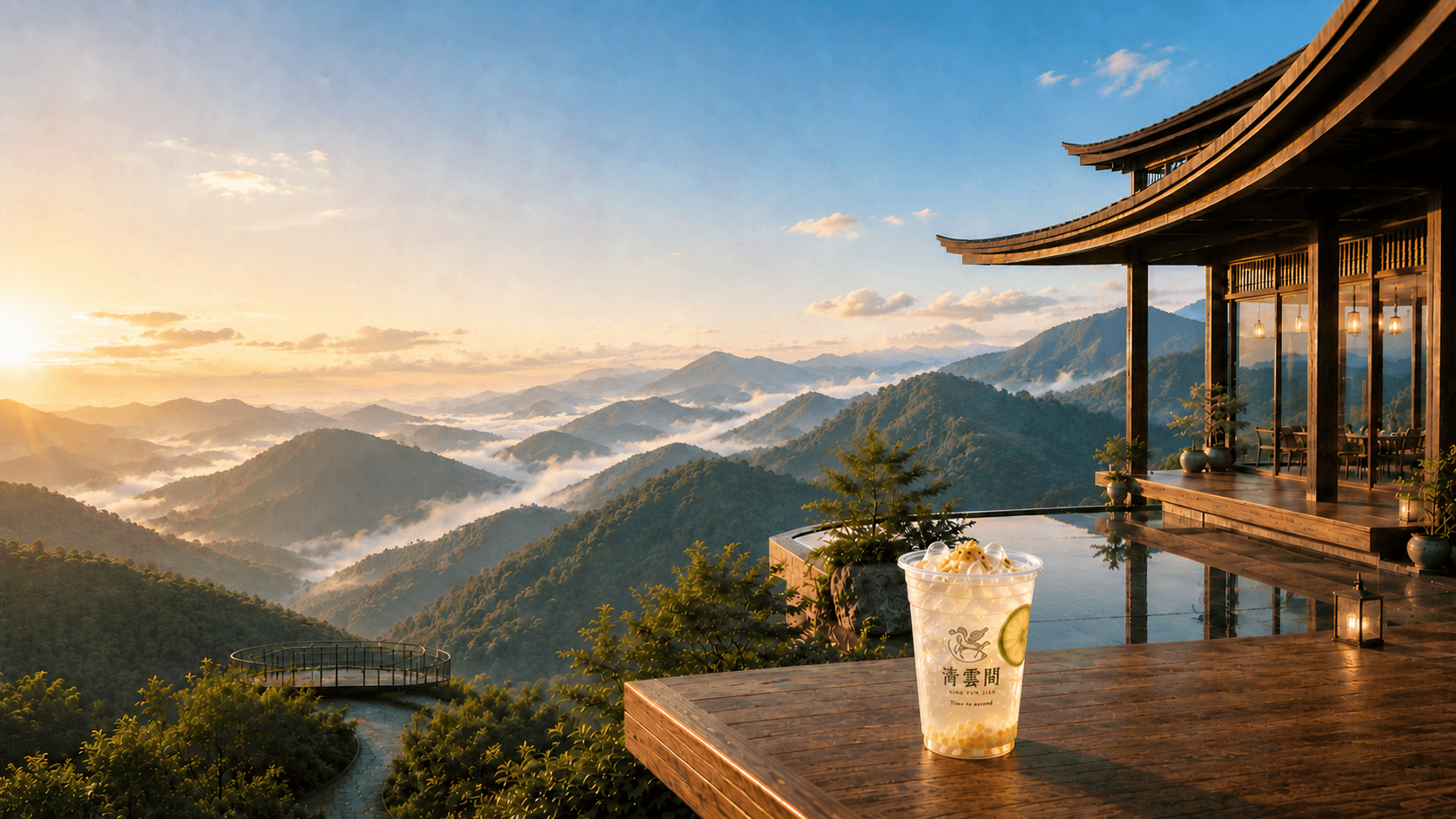
Singapore Tea
The Complete Guide to Premium Tea in Singapore
Navigate tea quality, cafés, menus, ingredients, pricing and service across Singapore's premium tea landscape.
27 min read